Are Some Cat Breeds Less Likely to Scratch Furniture?
Explore which cat breeds are less likely to scratch furniture and understand the reasons behind this behavior.

Are There Cat Breeds Less Likely to Scratch Furniture?
If you're worried about your feline friend scratching up your furniture, you might be curious if certain cat breeds are less inclined to do so. While all cats have a natural instinct to scratch, some breeds are known for their calmer, more relaxed temperaments, possibly making them less prone to destructive scratching. However, keep in mind that individual behavior can vary within any breed, and it's crucial to provide all cats with suitable scratching outlets.
Breeds like Ragdolls, British Shorthairs, and Persians are often recognized for their laid-back nature, which might result in less frequent scratching. Known for their gentle demeanor, these breeds could be a better match for those particularly concerned about furniture damage. Still, it's important to note that no breed can guarantee complete avoidance of scratching furniture.
Why Do Cats Scratch Furniture?
Understanding Natural Behavior
Scratching is a natural and essential behavior for cats. They use scratching to mark their territory, as their paws release scent markers, and to maintain sharp, healthy claws. It's also a form of exercise and helps them stretch their muscles. Thus, it's a behavior you can't, and shouldn't, entirely eliminate. Scratching offers not only physical benefits but also mental stimulation. Cats might scratch to express emotions, such as excitement or stress relief, making it a multifaceted behavior that fulfills various needs.
Common Reasons for Scratching
Beyond natural instincts, cats might scratch furniture if they lack proper alternatives, feel stressed, or want your attention. For instance, without access to scratching posts, a cat might turn to your sofa to satisfy its scratching needs. Stress factors like household changes, a new pet, or insufficient mental stimulation can also trigger this behavior. Understanding these underlying causes is essential for redirecting the behavior effectively. By providing suitable scratching options and understanding their needs, you can help steer this behavior away from your prized upholstery.
Which Cat Breeds Are Known for Minimal Scratching?
While every cat is unique, certain breeds are often recommended for those worried about furniture scratching due to their temperament:
Ragdolls: Known for their docile and gentle nature, Ragdolls tend to be content lounging around and might not exhibit as much destructive behavior as more active breeds. Their relaxed demeanor often translates to a lower likelihood of vigorous scratching, making them a popular choice for households concerned about furniture damage.
British Shorthairs: These cats are typically calm and easygoing, making them less likely to engage in excessive scratching. Their independent nature generally means they entertain themselves without resorting to destructive habits, making them ideal for owners looking for a low-maintenance pet.
Persians: With their serene and placid temperament, Persians might scratch less frequently. Their luxurious coats and relaxed attitude contribute to their reputation as gentle companions, less inclined to engage in high-energy or destructive activities.
Choosing a breed known for being less active doesn't eliminate the need for providing scratching posts and engaging in training, but it might reduce the overall incidence of furniture scratching. Remember, even the calmest breeds require stimulation and appropriate outlets for natural behaviors.
How Can You Prevent Furniture Scratching?
Providing Appropriate Alternatives
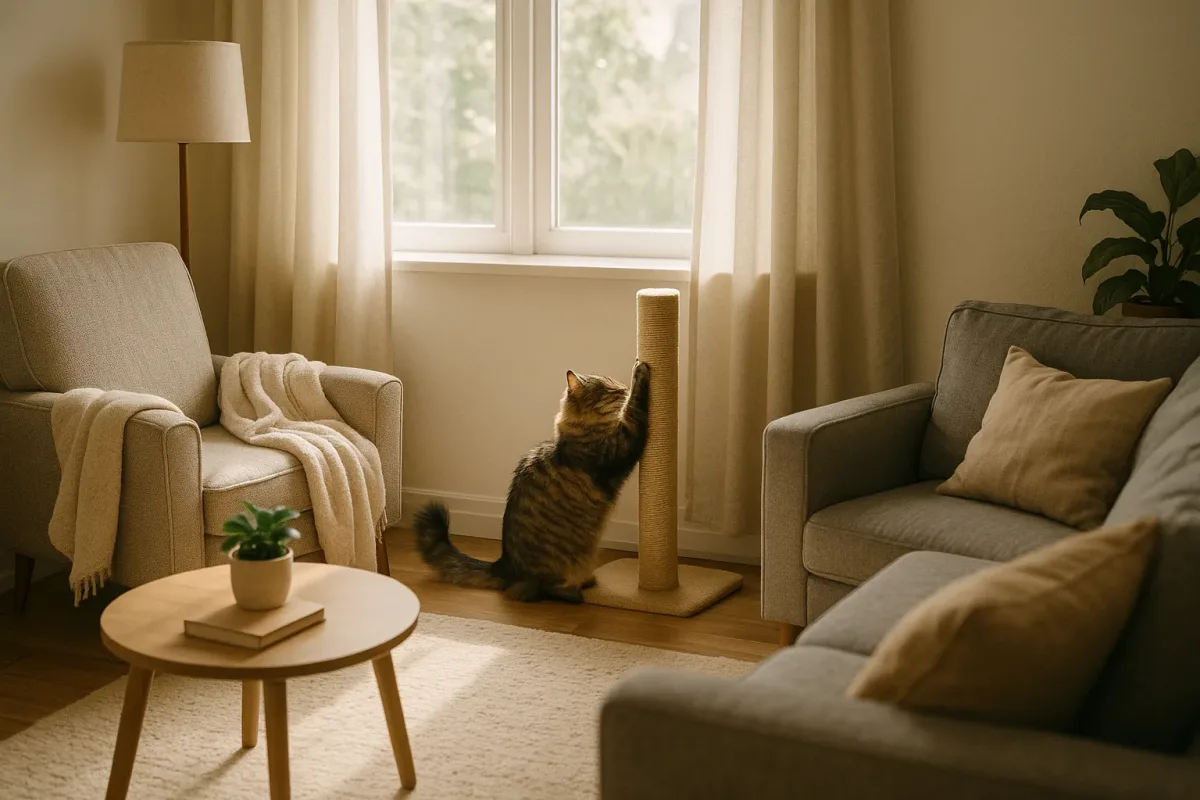
Investing in various types of scratching posts can significantly reduce your cat's interest in your furniture. Ensure these posts are placed in areas where your cat spends most of its time. Offering variety is crucial, some cats prefer vertical posts, while others might enjoy horizontal surfaces. Observing your cat's preferences can guide you in selecting the most appealing options. You might find our detailed article on training your cat to use a scratching post effectively helpful for tips on encouraging this behavior.
Training and Behavioral Techniques
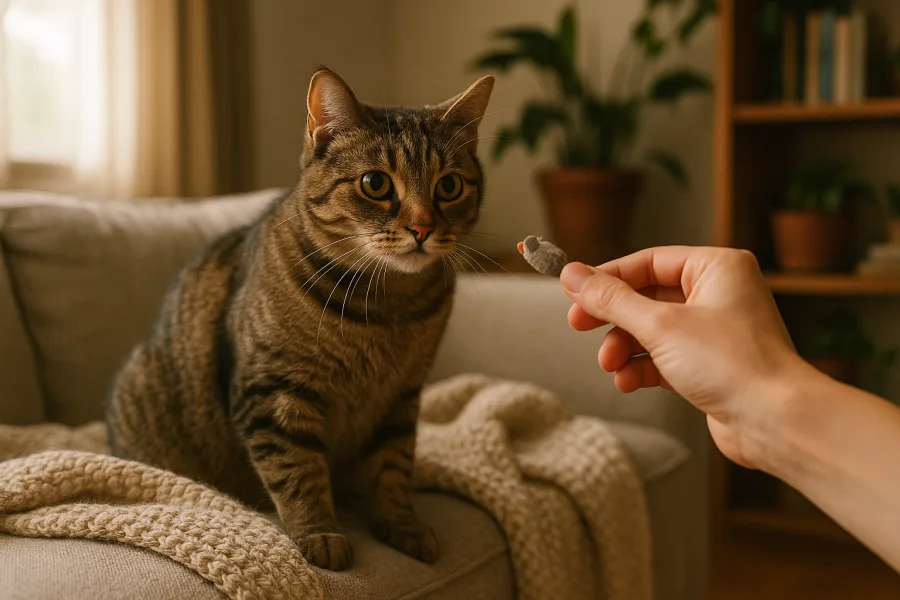
Training your cat to avoid furniture can involve using deterrents like double-sided tape or citrus sprays on areas you want them to avoid. These methods make surfaces less appealing for scratching. Reward-based training can also encourage them to use scratching posts instead. Positive reinforcement, such as treats or praise when they use the post, can be highly effective. Consistency is key, and patience will go a long way in modifying your cat's behavior. Gradually, your cat will associate the scratching post with positive outcomes, reducing the likelihood of furniture scratching.
How Does Environment Affect Scratching Behavior?
Environmental enrichment plays a crucial role in managing scratching behavior. Cats need mental and physical stimulation, which can be provided through interactive toys, playtime, and ample space to roam. A stimulating environment can prevent boredom, a common trigger for unwanted behaviors. Rotating toys and introducing new activities regularly can keep your cat engaged. A well-enriched environment can reduce stress-related behaviors, including excessive scratching. Ensuring your cat has access to windows for outside viewing or creating vertical spaces like cat trees can further enrich their environment, offering both physical and mental challenges.
Summary and Key Takeaways
- While breeds like Ragdolls, British Shorthairs, and Persians tend to scratch less, individual behavior varies.
- Scratching is a natural and necessary behavior for cats, crucial for their physical and mental health.
- Providing appropriate scratching alternatives and training can help protect furniture.
- Environmental enrichment reduces stress and can minimize unwanted behaviors.
- Consider consulting a vet or pet behaviorist if scratching becomes a significant issue.
For more comprehensive strategies on managing and preventing this behavior, visit our detailed guide on preventing cat scratching.

I've shared my home with pets for over 40 years. No letters after my name, just four decades of paying close attention. I've read widely, watched everything I could find, and learned most of what I know from living alongside animals every day. This site is where I share what I've picked up along the way.
More by Nicole Dance →