How to Socialize Your Puppy with Kids and Strangers
Discover practical steps to help your puppy have positive social experiences with children and strangers, ensuring a lifetime of good behavior.
Socializing a puppy with children and strangers is a vital part of raising a well-adjusted dog. Early socialization helps puppies become confident, friendly, and adaptable. By following some practical steps, you can ensure your puppy has positive experiences with people of all ages, setting the stage for a lifetime of good behavior. This guide will cover everything you need to know to successfully socialize your puppy.
Why Is Early Socialization Important for Puppies?
Starting socialization early is crucial because puppies are most receptive to new experiences during their formative weeks. This period, which usually lasts until about 16 weeks of age, is when they learn to accept other animals, people, and environments as normal parts of life. Proper socialization during this time can prevent fear-based behaviors and aggression, helping your dog feel comfortable in various settings.
The long-term benefits of early socialization are significant. Well-socialized puppies grow into adults that are more relaxed and less likely to react aggressively or fearfully in new situations. This ensures they are welcome guests at social gatherings and can enjoy a wider range of activities with their owners.
How Do Puppies Typically React to New People?
Puppies are naturally curious about the world, and their reactions to new people can vary. Some may approach strangers with enthusiasm, wagging their tails and eager to greet them, while others might be more cautious, hanging back or hiding behind their owner.
Understanding these behaviors is key to introducing your puppy to new experiences. It's normal for puppies to be a bit hesitant or excited when meeting new people, but the goal is to make sure these encounters are positive and build confidence.
How Can You Create Positive Social Experiences?
Creating positive social experiences for your puppy involves a few key steps:
First, make sure each introduction is calm and controlled. Let your puppy observe new people from a distance, allowing them to approach at their own pace. Encourage your puppy with gentle praise and treats when they show interest in someone.
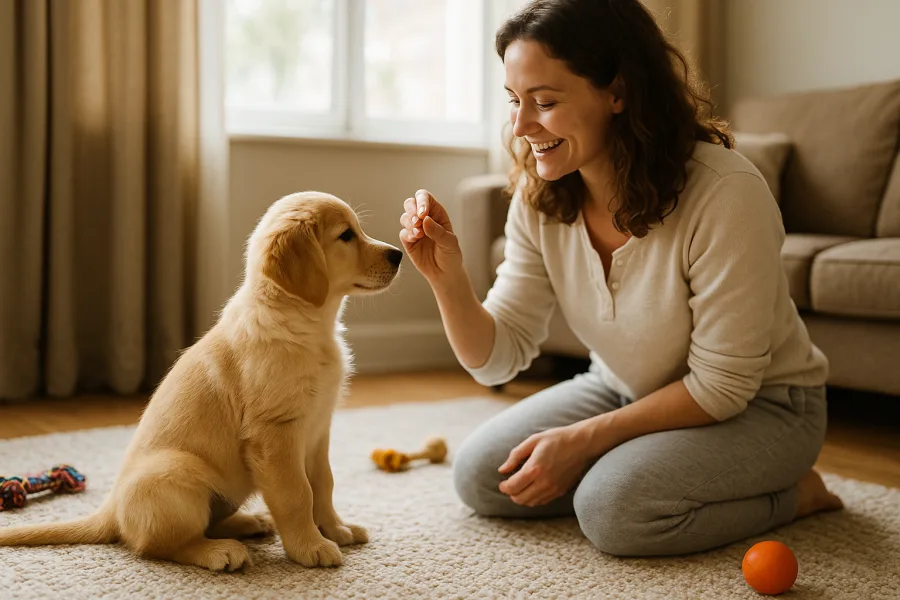
Second, use positive reinforcement to reward calm and friendly behavior. Carry treats during outings and offer them to your puppy whenever they stay calm around new people. This helps create a positive association with strangers.
Finally, keep interactions brief and pleasant. Avoid overwhelming your puppy with too many new faces at once. Gradually increase the number of people they meet as their confidence grows.
What Are the Best Ways to Introduce a Puppy to Children?
Introducing a puppy to children requires special care due to the energetic and sometimes unpredictable nature of kids. Here are some age-appropriate strategies to ensure safe interactions:
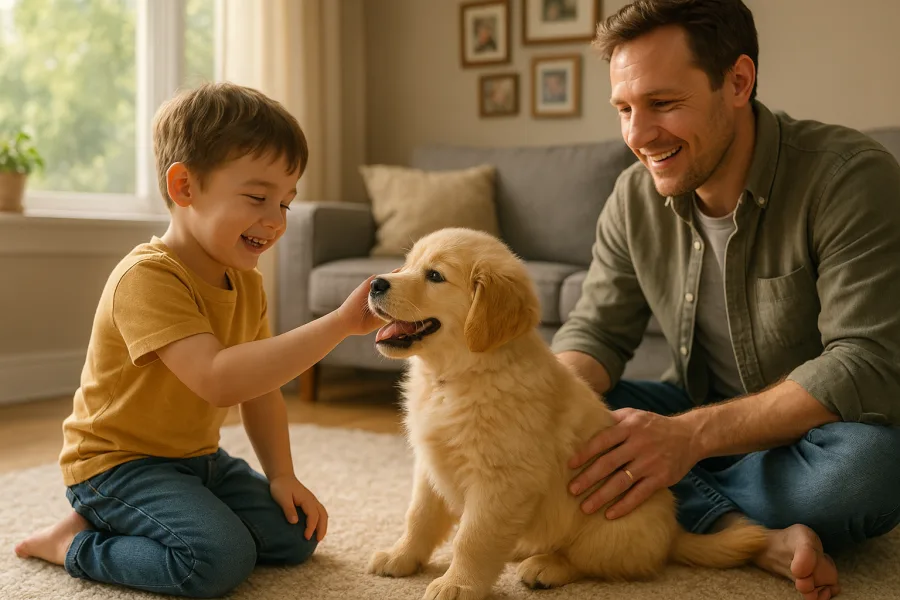
For toddlers and younger children, always supervise interactions closely. Teach them to approach the puppy calmly and avoid sudden movements or loud noises that might startle the puppy. Encourage them to gently stroke the puppy rather than picking it up, which can be intimidating for a small puppy. If you want the full picture, our guide to to Help Your Shy Puppy Become More Social covers everything in depth.
With older children, involve them in training sessions. This helps the puppy get used to following commands from different people and teaches children how to interact appropriately with dogs. Encourage them to give treats for good behavior, reinforcing positive interactions.
How Should You Introduce Your Puppy to Strangers?
When introducing your puppy to strangers, create a controlled environment that feels safe for your puppy. Start with one or two people in a familiar setting, such as your home or garden. Ask the strangers to ignore the puppy initially, allowing the puppy to approach them when ready.
Encourage the strangers to offer treats or toys to the puppy, enhancing positive associations. Maintain a calm demeanor, as your puppy will pick up on your emotions. Keeping the environment low-stress helps your puppy feel secure and more willing to interact.
What Signs Indicate a Puppy is Stressed and How to Respond?
Recognizing signs of stress in your puppy is critical to managing their socialization effectively. Common indicators of stress include excessive yawning, lip licking, turning away, cowering, or trying to hide. If you notice these signs, it’s important to give your puppy a break.
To calm a stressed puppy, remove them from the stressful situation and provide a quiet space where they can relax. Offer comfort through gentle petting or talking to them softly. Gradually reintroduce them to the situation once they have calmed down, ensuring the next interaction is positive.
How Can Consistency and Patience Aid Socialization?
Consistency and patience are key to successful puppy socialization. Regular exposure to new people and environments, coupled with positive reinforcement, helps your puppy learn what behaviors are expected. Make socialization a regular part of your puppy’s routine by incorporating short, daily sessions. If you want the full picture, our guide to Role of Puppy Classes in Socialization covers everything in depth.
Patience is essential, as each puppy learns at its own pace. Celebrate small victories and remain calm and encouraging, even if progress seems slow. Consistent practice helps maintain the social skills your puppy learns and ensures they remain comfortable in diverse situations.
Summary: Key Takeaways for Successful Socialization
- Start socializing your puppy early to maximize learning and adaptability.
- Pay attention to your puppy’s reactions and adjust introductions accordingly.
- Use positive reinforcement to encourage calm and friendly behavior.
- Introduce your puppy to children with care, ensuring all interactions are supervised and gentle.
- Manage stress by recognizing signs and providing breaks when needed.
- Consistency and patience are crucial for long-term socialization success.
For more comprehensive guidance on puppy socialization, you can explore this ultimate guide on socialization techniques and timing. With dedication and the right approach, you'll help your puppy grow into a friendly and well-adjusted adult dog.

I've shared my home with pets for over 40 years. No letters after my name, just four decades of paying close attention. I've read widely, watched everything I could find, and learned most of what I know from living alongside animals every day. This site is where I share what I've picked up along the way.
More by Nicole Dance →