Why Does My Dog Jump on Guests? Understanding and Solutions
Explore why dogs jump on guests and learn strategies to manage this behavior effectively, ensuring a comfortable experience for everyone.
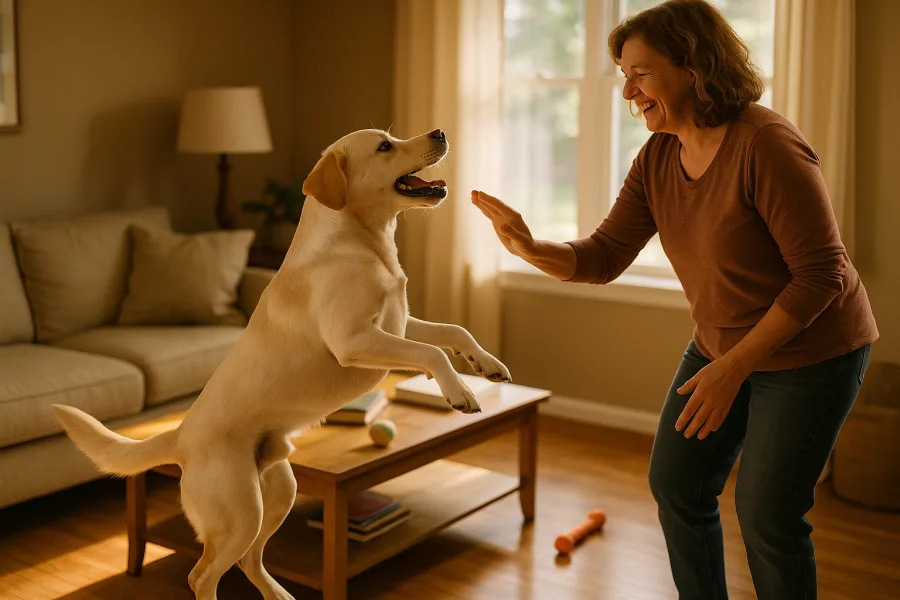
Dogs jumping on guests is a common but often frustrating behavior for many pet owners. It can lead to feelings of embarrassment and concern for your visitors' comfort. The good news is that understanding why your dog jumps on guests is the first step towards effectively managing and preventing it. In this article, we'll explore the reasons behind this behavior and provide actionable strategies to help you stop it.
Why Does My Dog Jump on Guests?
Dogs often jump on guests out of excitement, a desire for attention, or simply because they haven't been trained otherwise. For some dogs, jumping is a way to express joy and greet people by getting closer to their faces. Others might jump to assert dominance or because they have learned that jumping is an effective way to get noticed. Understanding these motivations is crucial to addressing the behavior effectively. Additionally, some dogs may jump due to anxiety or insecurity, seeking reassurance from their owners or guests. Recognizing these underlying emotional triggers can help in tailoring a more empathetic and effective approach to curbing the behavior.
Understanding Canine Behavior
Natural Instincts and Behaviors
Jumping is a natural behavior for dogs, especially when they are excited or stimulated. In the wild, canine relatives like wolves greet each other by licking the face, which can translate into jumping in domestic dogs. This behavior is rooted in pack dynamics and social interaction, making it instinctual for many dogs. Puppies often jump to reach their mother's face for attention and affection, a behavior that can persist into adulthood if not addressed. Understanding that your dog is not being malicious but is acting on natural instincts can help reduce frustration and guide training efforts.
How Dogs Communicate Excitement and Dominance
For some dogs, jumping is a way to communicate excitement. It's their way of saying hello energetically. However, jumping can also be a sign of asserting dominance, particularly if the dog jumps on some guests but not others. Recognizing these cues in your dog's behavior can help tailor your approach to training. Moreover, dogs may also jump to assert themselves when they feel threatened or uneasy, using their physical presence to establish control. Observing the context and body language can provide insights into whether the jumping is an expression of joy or a need to assert dominance.
Training Techniques to Stop Jumping
Teaching the "Sit and Stay" Command
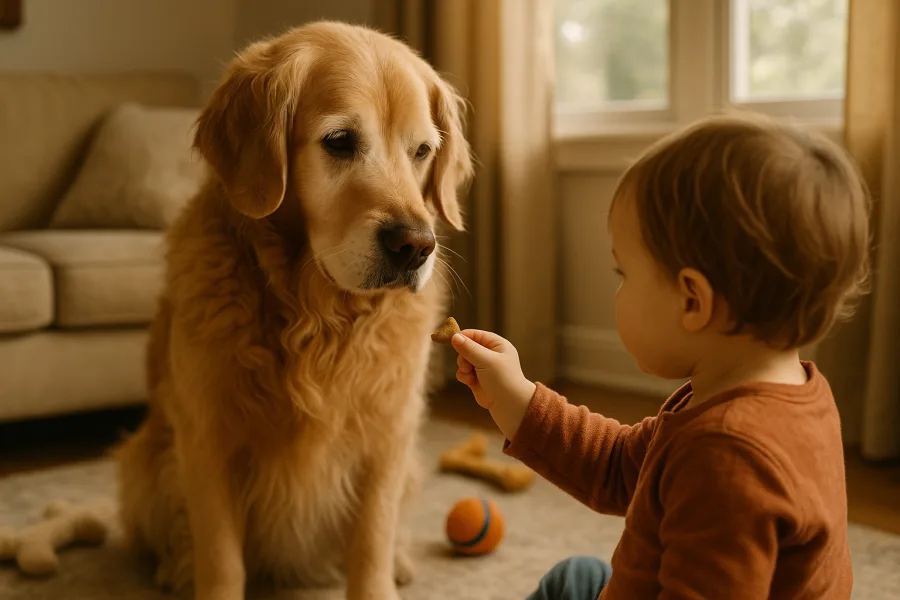
One effective method to discourage jumping is to teach your dog the "sit and stay" command. This involves training your dog to sit and remain seated when guests arrive. Consistently rewarding your dog with treats and praise when they obey the command will reinforce this behavior over time. It's important to practice this command regularly in different contexts and with various distractions, gradually increasing the difficulty level to ensure your dog responds appropriately even in highly stimulating environments.
Redirecting Energy and Attention
Redirecting your dog's energy and attention can also help curb jumping. Before guests arrive, engage your dog in a game or a walk to expend excess energy. When guests are present, use toys or commands to focus your dog's attention away from jumping. This tactic not only reduces excitement but also helps establish better greeting behaviors. Additionally, providing mental stimulation through puzzle toys or interactive games can keep your dog occupied and reduce the likelihood of jumping due to boredom or excess energy.
The Importance of Consistency
Consistency is key in training your dog not to jump on guests. All family members must enforce the same rules to avoid confusing your dog. Make sure everyone uses the same commands and rewards the desired behavior to ensure your dog understands what is expected. Inconsistent training can lead to mixed signals and slow progress. Establishing a clear set of guidelines for interactions with your dog, including how to greet and reward them, will create a structured environment that promotes learning and behavioral change. For a broader look at this subject, see our guide to Avoid These Common Mistakes When Training Your Dog Not to.
Alternative Greeting Methods
Encouraging Polite Greetings
Encourage your dog to greet guests politely by sitting or waiting for a command. You can practice this by having someone knock on the door and rewarding your dog for waiting calmly. Over time, this will help your dog learn to associate guests with a calm, seated greeting. Practicing with different visitors and in diverse situations will generalize the behavior across contexts, helping your dog understand that polite greetings are expected at all times.
Using Toys or Commands to Redirect
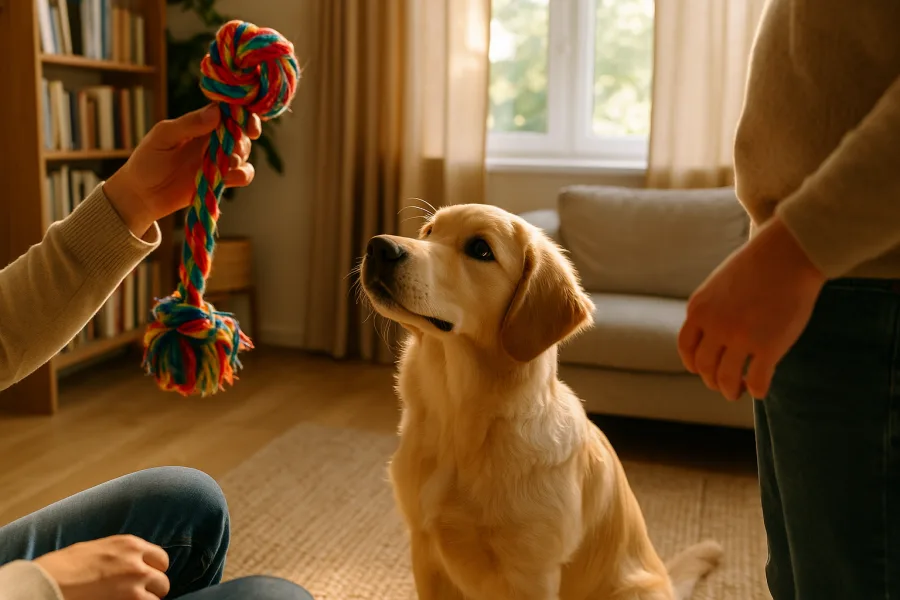
You can also train your dog to greet guests by fetching a toy or responding to a specific command. This not only prevents jumping but also turns the arrival of guests into a positive and controlled experience. Consistently reinforcing these alternative greetings with praise and treats will help solidify them as habitual behaviors. Over time, your dog will begin to anticipate the desired behavior and offer it naturally, reducing the need for constant reinforcement.
Positive Reinforcement and Rewards
Positive reinforcement is a powerful tool in dog training. Rewarding your dog for not jumping, such as with treats, toys, or attention, can encourage them to repeat the behavior. Conversely, ignoring jumping by turning away and not giving attention can teach your dog that jumping will not achieve the desired result. It's crucial to apply rewards immediately after the desired behavior to strengthen the association, ensuring your dog understands the connection between their actions and the positive outcome.
When to Seek Professional Help
If your dog's jumping behavior persists despite your best efforts, it may be time to consult a professional dog trainer or behaviorist. They can provide personalized guidance and strategies tailored to your dog's specific needs. Professional help can be particularly beneficial if your dog exhibits aggressive behavior, as jumping can sometimes be a sign of deeper behavioral issues. Early intervention can prevent these problems from escalating and ensure a harmonious relationship between your dog and your guests.
Quick Summary
- Dogs jump on guests due to excitement, attention-seeking, or lack of training.
- Understanding natural instincts helps in addressing the behavior.
- Effective training involves consistent use of commands like "sit and stay."
- Encourage alternative greetings and use positive reinforcement techniques.
- Seek professional help if jumping persists or aggression is present.
For more detailed guidance on managing and stopping this behavior, you can explore our comprehensive guide on why dogs jump on guests and how to train them. Remember, patience and consistency are your best allies in achieving a well-mannered and happy dog.

I've shared my home with pets for over 40 years. No letters after my name, just four decades of paying close attention. I've read widely, watched everything I could find, and learned most of what I know from living alongside animals every day. This site is where I share what I've picked up along the way.
More by Nicole Dance →