Why Is My Cat Suddenly Aggressive? Understanding the Causes
Explore reasons behind sudden cat aggression and find solutions to help your cat return to a peaceful state.

It's concerning when your usually calm cat suddenly turns aggressive. This behavior change can be unsettling, but you're not alone in dealing with it. Cats can show aggression for many reasons, and understanding these causes is the first step in resolving the issue. Let's look into why your cat might be acting out and what you can do to help them return to their peaceful self.
Immediate Steps to Take
Before exploring potential causes, it's crucial to take immediate actions to ensure everyone's safety. If your cat is showing signs of aggression, give them space. Avoid eye contact and sudden movements, which might seem threatening. Ensure any children or other pets in your home also stay clear until the situation calms down. Providing a quiet, safe space where your cat can retreat benefits both their peace of mind and yours. For a broader look at this subject, see our guide to to Handle Cat Aggression Towards Other Pets.
During these initial moments, closely observe your cat’s body language. Signs like flattened ears, dilated pupils, and a swishing tail can indicate agitation. Understanding these signals can help you anticipate aggressive behavior and act accordingly to de-escalate the situation.
Why Does This Happen?
Cats can become aggressive for several reasons, and it's important to consider different factors to understand their behavior better. Often, aggression is linked to recent changes in their environment, health issues, stress, or even past traumas. Identifying the root cause can help effectively address the problem.
Understanding the type of aggression your cat displays can also provide insights. There are several types of aggression, including territorial, redirected, fear-induced, and play aggression. Each has distinct triggers and requires different approaches to manage and resolve.
Could It Be Health-Related?
One of the first things to consider when a cat suddenly becomes aggressive is their health. Pain or discomfort is a common trigger for aggression in cats. Issues such as dental pain, arthritis, or infections can cause significant discomfort, leading to behavior changes. If you suspect health problems might be involved, consulting a veterinarian is essential. A thorough check-up can help rule out or confirm health-related causes and pave the way for suitable treatment.
Beyond obvious signs of pain, subtle changes in behavior, such as decreased grooming, changes in appetite, or altered litter box habits, may also suggest health issues. These symptoms, combined with aggression, can indicate conditions that require medical intervention.
Environmental Changes and Stress Triggers
Cats are creatures of habit, and changes in their environment can lead to stress-induced aggression. Have you recently moved house, introduced a new pet, or changed your routine? Even subtle changes, like rearranging furniture, can unsettle a cat. Additionally, stress triggers such as loud noises, unfamiliar visitors, or the presence of other animals outside can cause anxiety, leading to aggressive behavior.
It's important to recognize that cats have different thresholds for stress. While some may adapt quickly to new circumstances, others may struggle and express their discomfort through aggression. Recognizing these stressors can aid in creating a more stable environment for your pet.
Fear or Stress Triggers
Consider situations that might instill fear or stress in your cat. For some, a visit to the vet, a thunderstorm, or fireworks can trigger aggression. It's important to identify these triggers and work on minimizing their impact. Providing a safe and comforting environment during these times can help reduce stress.
Setting up a "safe room" with familiar scents and items can be comforting during stressful events. This space should be away from noise and activity, allowing your cat to feel secure and protected.
How Can I Help My Cat?
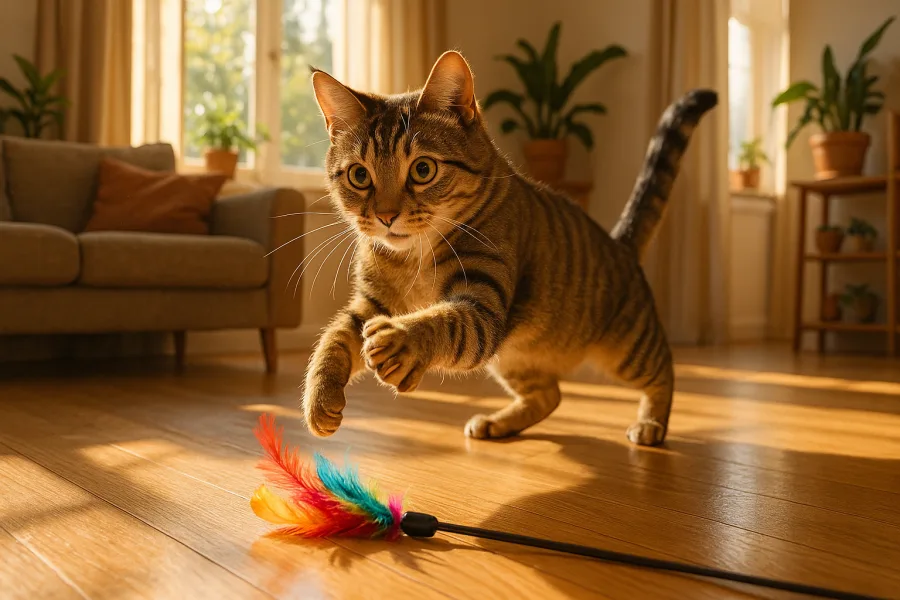
Once you've identified potential causes, you can work on interventions to help your cat. Creating a calm and predictable environment is key. Ensure your cat has access to safe spaces where they can retreat when feeling overwhelmed. Consider using pheromone diffusers that can help reduce anxiety. Engaging your cat in play can also be a great way to redirect their energy and reduce stress.
Providing interactive toys and regular play sessions can help alleviate boredom, which might otherwise manifest as aggression. Understanding your cat's play style and preferences can make these sessions more effective and enjoyable for both of you.
If aggression persists, it might be beneficial to consult a professional animal behaviorist. They can provide tailored advice and help you implement a behavior modification plan. Behaviorists can also assist in training you to recognize early signs of aggression, allowing you to intervene before escalation.
Preventing Future Aggression
Long-term management focuses on creating a stable and stress-free environment for your cat. Keep their routine consistent, and introduce changes gradually. Regular vet check-ups can help catch health issues early before they lead to behavior changes. Monitoring your cat's behavior and keeping a diary of aggressive incidents can also be beneficial. This record can help identify patterns or triggers, making it easier to prevent future occurrences.
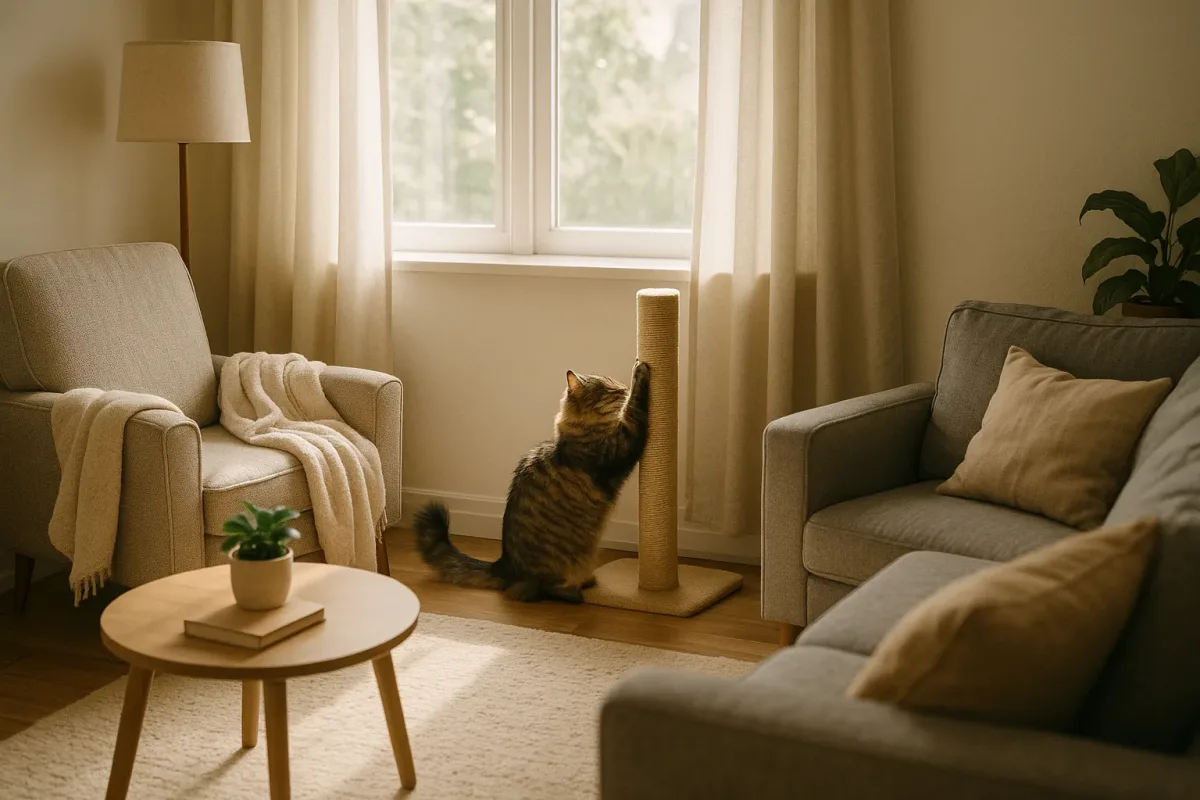
Additionally, consider enriching your cat’s environment with vertical spaces, scratching posts, and interactive toys. Such enrichment can provide mental and physical stimulation, reducing the likelihood of aggression stemming from boredom or lack of exercise.
Summary: Key Takeaways
- Give your cat space and avoid sudden movements to ensure safety during aggressive episodes.
- Consider potential health issues and consult a veterinarian if necessary.
- Identify environmental changes and stress triggers that might be affecting your cat's behavior.
- Help your cat by creating a calm environment and considering professional help if needed.
- Maintain a consistent routine and monitor behavior to prevent future aggression.
Understanding and addressing your cat's sudden aggression can be challenging, but patience and care will help restore harmony. For a deeper dive into this topic, check out our comprehensive guide on understanding the causes of cat aggression and calming techniques. Your feline friend will thank you for it.

I've shared my home with pets for over 40 years. No letters after my name, just four decades of paying close attention. I've read widely, watched everything I could find, and learned most of what I know from living alongside animals every day. This site is where I share what I've picked up along the way.
More by Nicole Dance →