Best Tools and Aids to Prevent Your Dog from Jumping
Explore tools like no-jump harnesses and training collars to curb your dog's jumping behavior and maintain a calm environment.
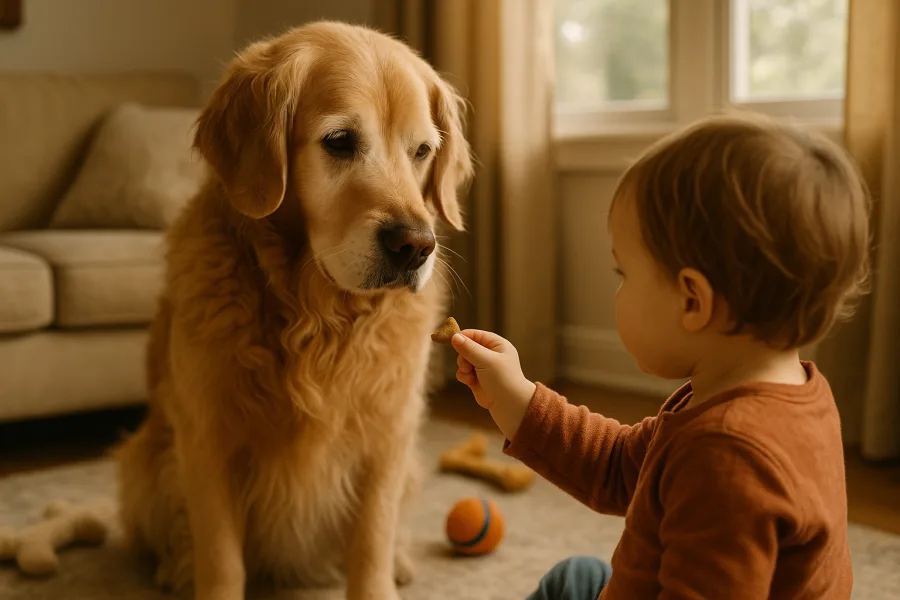
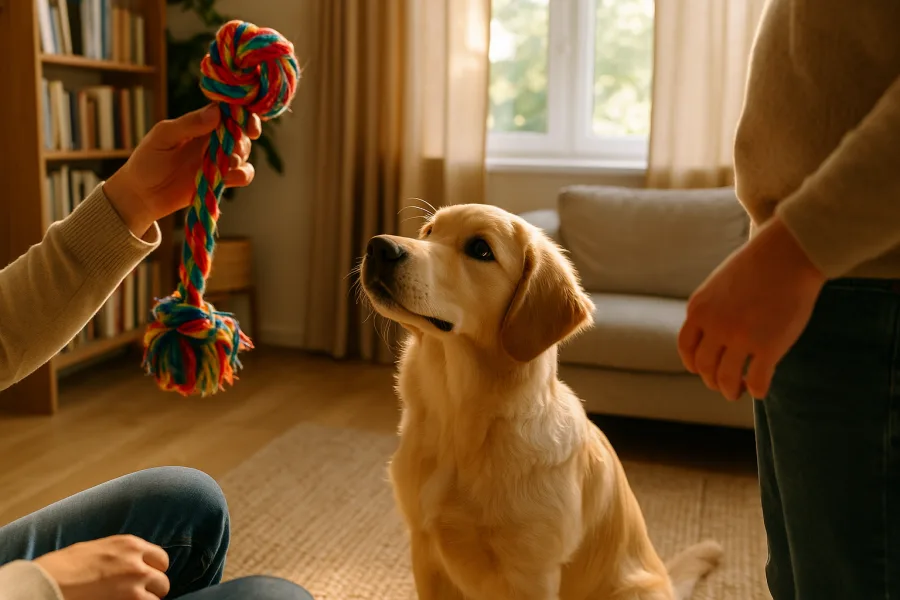
Dealing with a dog that loves to jump can be both frustrating and embarrassing, especially when you have visitors. Fortunately, there are several tools designed to help curb this behavior, ensuring a more peaceful home environment. From harnesses to training collars, understanding how these tools work and how to use them can make a big difference.
What Are the Best Tools to Prevent Dog Jumping?
When trying to stop your dog from jumping, tools like no-jump harnesses and training collars can offer immediate solutions. No-jump harnesses gently redirect your dog's momentum when they try to jump, discouraging the behavior over time. These harnesses distribute pressure evenly across the chest and shoulders, reducing the impact of a jump without causing discomfort or harm. They are particularly effective for larger dogs who might unintentionally hurt themselves or others when jumping.
Training collars, especially those with vibration or sound features, signal to the dog that jumping is not desired without causing harm. These collars often include remote controls, letting you trigger a sound or vibration when your dog starts to jump. This interruption helps your dog associate jumping with an unpleasant but harmless stimulus, encouraging them to keep their paws on the ground. It's crucial to use these collars as part of a broader training strategy, not as a standalone solution. Consistency in applying corrections and rewarding positive behavior is essential. For a broader look at this subject, see our guide to Avoid These Common Mistakes When Training Your Dog Not to.
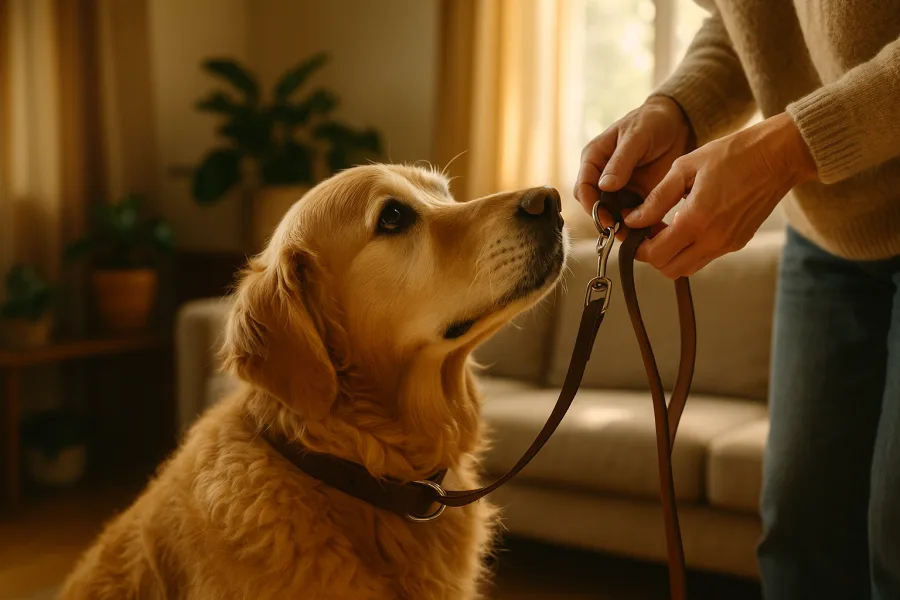
Head halters can also be helpful. They allow you to control your dog's head, which in turn helps manage their body, making it more challenging for them to jump. Head halters work well with leash training, guiding your dog into desired behaviors with gentle pressure. Using these tools consistently and correctly is vital, so make sure you understand the manufacturer's instructions or consult a professional trainer for guidance.
Why Do Dogs Jump?
Understanding why your dog jumps can help you choose the right tools and training strategies. Dogs often jump to greet people, show excitement, or seek attention. They might also be trying to assert dominance or simply be playful. In some cases, jumping is a learned behavior, reinforced over time by people who unknowingly reward it with attention or affection. By identifying the motivation behind the behavior, you can tailor your approach more effectively. For more insights on why dogs jump, consider exploring our detailed guide on this topic.
Additionally, some dogs jump as a response to stress or anxiety. Identifying stressors in your dog's environment and addressing them can be crucial in reducing jumping behavior. If your dog is jumping out of anxiety, tools alone may not suffice, and a comprehensive behavior modification plan might be necessary.
How Can Training Aids Support Behavior Change?
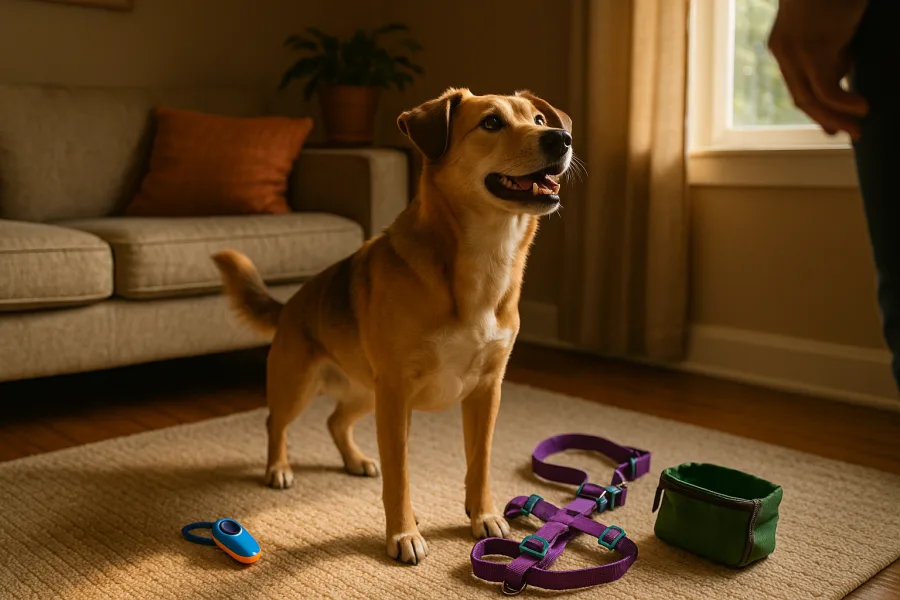
Training aids like clickers and treat pouches are excellent for reinforcing positive behavior. Clickers provide a consistent sound that marks desirable behavior, making it easier for your dog to understand what you want them to do. Paired with treats, clicker training can help encourage your pet to keep all four paws on the ground. Consistency is key, so make sure you reward your dog immediately after they refrain from jumping to reinforce the behavior you want.
Treat pouches are practical tools, allowing you to keep rewards easily accessible during training sessions. This accessibility is important because timely reinforcement is critical for effective training. By rewarding your dog immediately after desired behavior, you help solidify the association between the behavior and the reward, making it more likely that your dog will repeat the behavior in the future.
Additionally, verbal cues and hand signals can be integrated into your training regimen. Teaching your dog commands such as "sit" or "down" provides them with alternative behaviors to perform instead of jumping. Combining these commands with consistent rewards can help your dog understand what is expected of them.
What Environmental Adjustments Can Help?
Sometimes, simple changes in your dog's environment can make a big difference. Using baby gates or furniture barriers can keep your dog away from areas where they are prone to jump. Rearranging furniture to create clear pathways and reduce excitement triggers can also be beneficial. For example, moving furniture away from entryways can prevent your dog from jumping on guests as soon as they enter your home.
Additionally, ensuring your dog has enough mental and physical stimulation can reduce the likelihood of jumping caused by pent-up energy or boredom. Providing regular exercise, engaging toys, and interactive games can help tire your dog out, making them less likely to jump out of excess energy. Puzzle toys and treat-dispensing toys are excellent options for keeping your dog's mind occupied.
Creating a calm environment can also help. If your dog tends to jump when excited, minimizing excitement triggers, such as loud noises or chaotic environments, can reduce the frequency of jumping incidents. Establishing a routine and providing a designated calm space for your dog can further support positive behavior.
When to Seek Professional Help and Tools
If your dog's jumping behavior persists despite your best efforts, it might be time to consult a professional trainer. They can provide insights into your dog's behavior that you might not have considered and recommend specialized tools suited to your dog's specific needs. Professional trainers often have access to advanced tools and can offer guidance on using them safely and effectively, ensuring that your pet's well-being is always the top priority.
Trainers can also help develop a customized behavior modification plan tailored to your dog's unique circumstances. This plan may include a combination of tools, environmental adjustments, and training techniques designed to address the root cause of the jumping behavior. By working with a professional, you can gain a deeper understanding of your dog's behavior and learn strategies to manage it effectively.
In some cases, a veterinarian may need to be consulted to rule out any underlying medical issues that could be contributing to the behavior. Health problems such as joint pain or neurological issues can sometimes manifest as jumping, and addressing these underlying conditions is crucial for your dog's overall well-being.
Summary: Key Takeaways
- Immediate solutions like no-jump harnesses and training collars can prevent jumping.
- Understanding why dogs jump helps tailor your approach.
- Training aids such as clickers and treats reinforce positive behavior.
- Environmental adjustments, like gates, can help manage your dog's space.
- Professional trainers can provide tailored advice and tools if needed.
For more comprehensive strategies on managing and training your dog not to jump, check out our full guide on how to stop your dog from jumping on guests. Remember, patience and consistency are your best allies in addressing this common issue.

I've shared my home with pets for over 40 years. No letters after my name, just four decades of paying close attention. I've read widely, watched everything I could find, and learned most of what I know from living alongside animals every day. This site is where I share what I've picked up along the way.
More by Nicole Dance →