Effective Strategies to Calm an Aggressive Cat
Discover strategies to manage and calm an aggressive cat, ensuring safety and harmony in your home. Address triggers and create a serene environment.

Dealing with an aggressive cat can be a challenging and stressful experience for any pet owner. Whether your cat's aggression is directed at you, family members, or other pets, it's important to address the behavior promptly to ensure safety and harmony in your home. Here, we’ll explore effective strategies to calm an aggressive cat, helping you confidently manage this challenging situation.
Immediate Calming Techniques
When faced with an aggressive cat, quick action is crucial. Start by ensuring your safety; avoid making direct eye contact, as this can be seen as a challenge. Instead, slowly back away, giving the cat space to feel secure. Use a calm, soothing voice to speak to your cat, which can help reduce their stress levels.
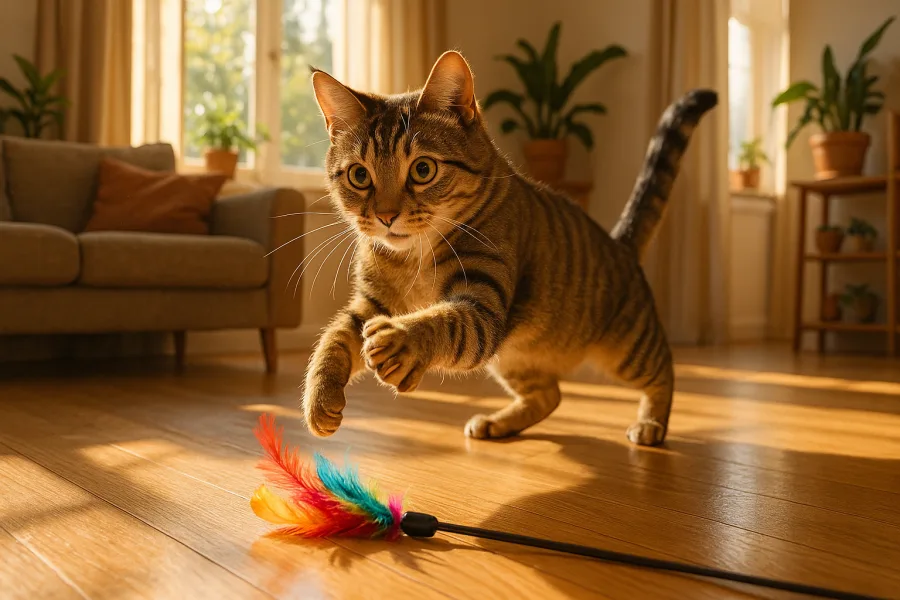
If your cat is in a heightened state of aggression, try to distract them with a toy or toss a treat away from you. This can redirect their focus and defuse the situation. Another effective method is to gently toss a towel over the cat, offering a comforting cover that may calm them down. Use this technique cautiously to ensure the cat does not feel trapped or threatened, which could worsen the aggression.
Remember, your body language plays a significant role in calming an aggressive cat. Keep movements slow and deliberate, as sudden actions can increase anxiety. Maintain a soft tone when speaking to your cat, as a loud or harsh voice can be interpreted as a threat. If possible, remove other pets or people from the immediate area to minimize additional stressors.
Why Is My Cat Aggressive?
Understanding the root cause of your cat's aggression is vital to address it successfully. Common triggers include fear, territorial behavior, redirected aggression, or even pain. Changes in the household, such as new pets or visitors, can also lead to stress-induced aggression. It's important to consider whether your cat suddenly became aggressive, which might indicate an underlying health issue. For a deeper dive into potential causes, you might find our article on sudden aggression in cats helpful.
Fear-based aggression often occurs when a cat feels cornered or threatened. In such cases, providing an escape route can help alleviate the tension. Territorial aggression is common in multi-cat households, where a cat may feel the need to assert dominance. Redirected aggression happens when a cat is agitated by something they can't reach, like another animal outside a window, and redirects this aggression towards a closer target, such as another pet or person. For a broader look at this subject, see our guide to to Handle Cat Aggression Towards Other Pets.
Health issues can also contribute to aggressive behavior. Pain from conditions such as arthritis or dental disease may cause a cat to lash out unexpectedly. Regular veterinary check-ups are crucial in identifying and treating any medical conditions that could be contributing to aggression.
How Can I Create a Calm Environment?
Creating a serene environment plays a crucial role in reducing your cat's aggressive tendencies. Ensure your cat has access to safe spaces where they can retreat and feel secure, such as a quiet room or a cozy cat bed. Eliminate potential stressors by maintaining a consistent routine for feeding and playtime.
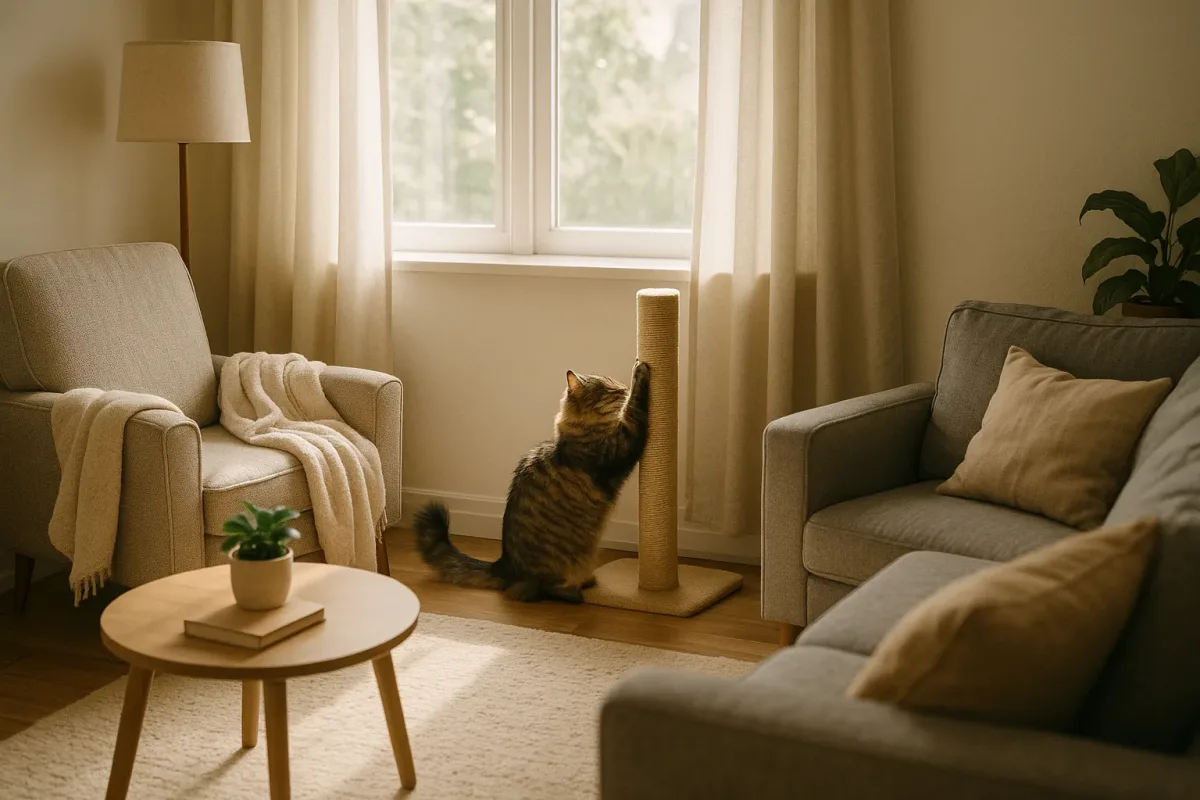
Reduce environmental noise and ensure your cat has plenty of vertical space like shelves or cat trees to explore and safely observe their surroundings. This not only provides them with exercise but also helps in reducing stress by allowing them to control their environment. Adding interactive toys or puzzle feeders can also stimulate your cat mentally, reducing boredom and associated aggressive behaviors.
Consider creating a sanctuary space for your cat. This could be a dedicated room or corner equipped with all their essentials, such as a litter box, food, water, and toys. This area should be off-limits to other pets to ensure your cat has a stress-free zone to retreat to when needed.
What Training Methods Can Help?
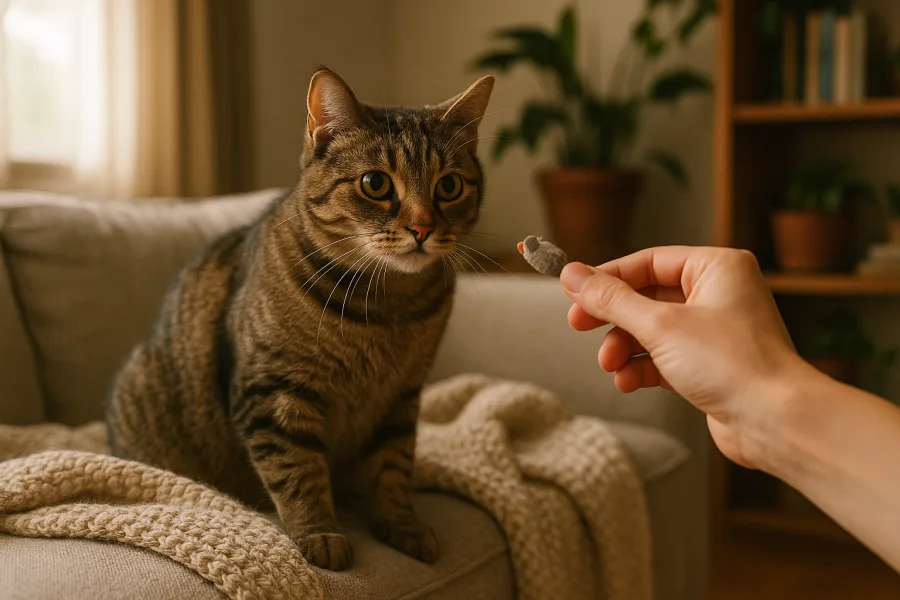
Training can be a powerful tool in managing aggression over time. Positive reinforcement is key; reward your cat with treats or affection when they display calm behavior. Use toys to engage your cat in play that does not involve direct interaction with your hands or feet, which can help redirect their energy safely.
Consistency is vital. Stick to a set training schedule and be patient, as behavioral changes can take time. For more comprehensive strategies, you might explore our detailed guide on understanding and calming cat aggression.
Incorporate clicker training into your routine. This method involves using a clicker to mark desired behaviors, followed by a reward. Over time, your cat will associate the click with positive outcomes, encouraging them to repeat the behavior. Keep training sessions short and engaging to maintain your cat's interest and prevent frustration.
When Should I Consult a Professional?
If your cat's aggression is severe, persistent, or unpredictable, it may be time to seek professional help. A veterinarian can rule out any medical causes for the aggression, while a pet behaviorist can offer tailored strategies to address behavioral issues. It’s important to act sooner rather than later to prevent the aggression from escalating.
Behaviorists can conduct a thorough assessment of your cat's environment, interactions, and history to determine underlying causes and suggest effective interventions. They can also provide guidance on implementing behavior modification techniques and advise on additional resources or support networks for cat owners facing similar challenges.
What Products Can Assist in Calming My Cat?
There are several products available that can help soothe an aggressive cat. Pheromone diffusers, such as Feliway, mimic natural feline pheromones that promote a sense of calm. Calming sprays and collars can also be effective, as well as supplements designed to reduce anxiety.
Interactive toys and feeders can provide mental stimulation and distract your cat from potential stressors. Always introduce new products gradually and observe your cat’s reaction to ensure they are effective and non-stressful. Herbal remedies, such as catnip or valerian root, may also offer calming effects for some cats. However, it's important to consult with your veterinarian before starting any new supplements to ensure they are safe and appropriate for your pet.
Quick Summary
- Use calm, non-confrontational tactics to immediately de-escalate aggression.
- Identify and understand the triggers behind your cat’s aggressive behavior.
- Modify your environment to reduce stress and provide safe spaces.
- Implement positive reinforcement training consistently and patiently.
- Consult professionals if aggression persists or poses a significant risk.
- Consider using calming products to assist in managing cat aggression.
Remember, patience and consistency are your best allies in calming an aggressive cat. By understanding your cat's needs and using the techniques outlined above, you can foster a more peaceful and happy home environment for both you and your feline friend. Building trust with your cat through gentle interactions and respect for their boundaries is crucial in reducing aggression and ensuring a harmonious relationship.

I've shared my home with pets for over 40 years. No letters after my name, just four decades of paying close attention. I've read widely, watched everything I could find, and learned most of what I know from living alongside animals every day. This site is where I share what I've picked up along the way.
More by Nicole Dance →