Managing Redirected Aggression in Cats: Effective Strategies
Learn why redirected aggression occurs in cats and explore strategies to manage and prevent it, ensuring a peaceful environment for your feline friend.

Redirected aggression in cats can be both confusing and upsetting for owners. This behavior occurs when a cat, stirred up by something it can't reach or confront directly, turns its aggression towards whatever is nearest, often the owner. Fortunately, with the right strategies, this can be effectively managed.
When faced with a cat exhibiting redirected aggression, the first thing to do is stay calm and avoid any physical reaction. It's important to prioritize your safety and that of others. If possible, provide a safe space for the cat to settle down, like a separate room. Refrain from trying to handle or comfort your cat immediately, as this might escalate the situation.
Why Does Redirected Aggression Happen in Cats?
Redirected aggression is a common issue in cats, occurring when they are provoked by something they can't directly engage with. This could be another animal outside, loud noises, or unfamiliar scents. When they can't reach the source of their agitation, they might lash out at whatever is close by.
Understanding what triggers this behavior can help you manage it better. Common triggers include changes in the environment, the presence of other animals, or sudden loud noises. Identifying these stressors is the first step in minimizing their impact. For more detailed information, explore our comprehensive guide on why cats become aggressive.
Environmental changes, such as moving to a new home, rearranging furniture, or introducing new household members, can unsettle cats, as they thrive on routine. Similarly, the presence of other animals, whether they are new pets or those visible through a window, can trigger a defensive response, especially if your cat feels its territory is threatened. Loud or unexpected noises like fireworks or thunderstorms can also cause significant stress, potentially leading to redirected aggression.
How Can You Prevent Redirected Aggression?
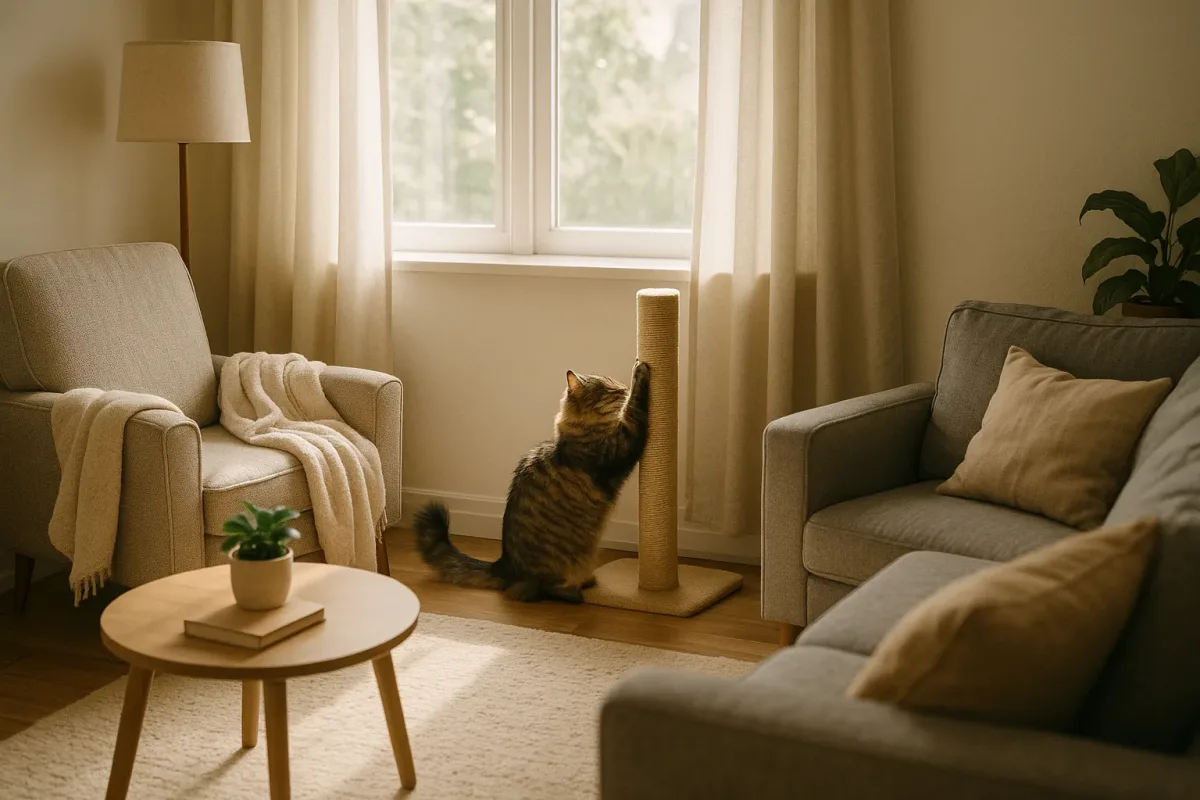
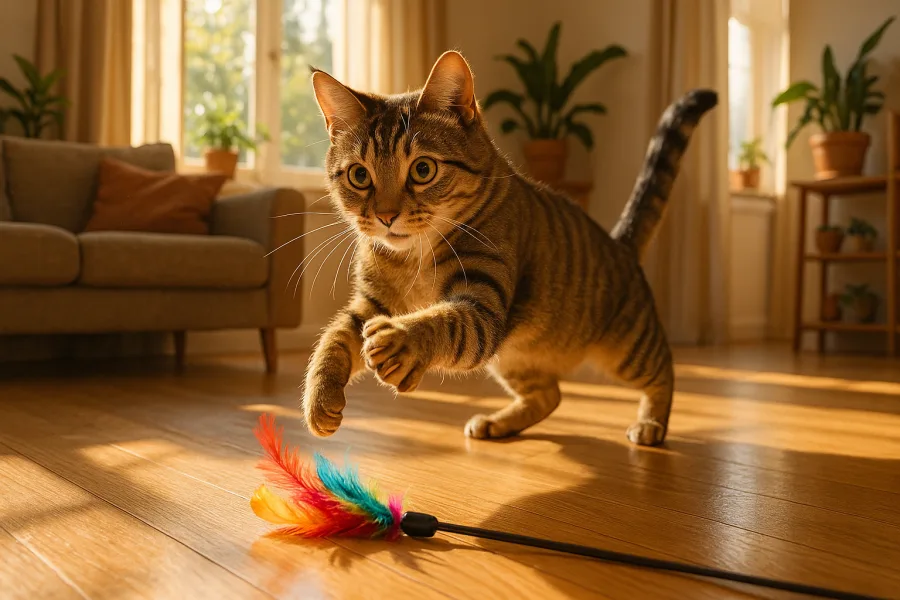
Preventing redirected aggression involves reducing your cat's exposure to triggers and enriching its environment to alleviate stress. Providing toys, scratching posts, and interactive playtime can help divert your cat's energy in a healthy way.
Ensure your cat's environment remains as stable as possible. Introduce new pets or changes in household routines gradually to prevent stress from building up. Reducing visible outdoor stimuli, such as by closing blinds to prevent your cat from seeing other animals, can also be effective. For more strategies, check out our article on calming an aggressive cat.
Environmental enrichment is key to preventing redirected aggression. Consider adding vertical spaces like cat trees or shelves, which let your cat climb and survey its surroundings comfortably. Interactive toys like puzzle feeders engage your cat's mind and offer rewarding experiences. Regular play sessions that mimic hunting behavior can help tire your cat out, reducing chances of aggression. Consistency in routine is also important; feeding and playtimes should happen at the same times each day to give a sense of stability.
What Are Effective Behavioral Modification Techniques?
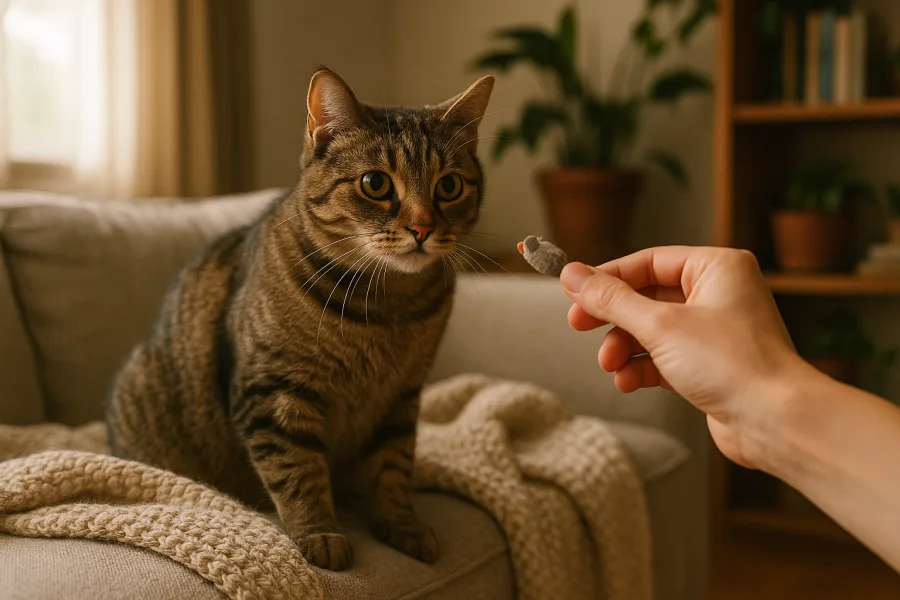
Behavioral modification tactics like desensitization and counter-conditioning can be very effective in managing redirected aggression. Desensitization involves gradually exposing your cat to its triggers in a controlled way, helping it get used to them over time. Counter-conditioning changes your cat's response to a trigger by associating it with positive experiences like treats or playtime.
Positive reinforcement is also critical. Rewarding calm behavior with affection or treats reinforces the idea that peaceful interactions are beneficial. Consistency in these techniques is essential for success.
Desensitization requires patience and time. Start by identifying the trigger and exposing your cat to it at a low intensity. For instance, if the trigger is another animal outside, allow your cat to observe it from a distance where it remains calm. Gradually decrease the distance over several sessions, ensuring your cat stays comfortable. Counter-conditioning can be done simultaneously by offering a treat or engaging your cat in play when the trigger appears. Over time, your cat will associate the trigger with positive outcomes, reducing its aggressive response.
When Should You Seek Professional Help?
While many cases of redirected aggression can be managed at home, there are times when professional help is necessary. If your cat's aggression is severe, frequent, or if you can't identify the triggers, consulting a veterinarian or a professional animal behaviorist is advisable. They can provide a detailed assessment and create a tailored plan to manage your cat's behavior. For a deeper understanding, our guide on cat aggression and calming techniques offers further insights.
A veterinarian can rule out underlying medical conditions that might contribute to your cat's behavior, such as pain or neurological issues. An animal behaviorist can help design a behavior modification plan specifically tailored to your cat's needs, equipping you with the tools and techniques necessary to manage and reduce aggression. Professional intervention is particularly important if the aggression poses a risk to the safety of other pets or people in the household.
Summary and Key Takeaways
- Stay calm and ensure everyone's safety when dealing with redirected aggression.
- Identify potential triggers like environmental changes or unfamiliar stimuli.
- Implement preventive measures like environmental enrichment and stress reduction.
- Use behavioral modification techniques such as desensitization and counter-conditioning.
- Seek professional help if the aggression is severe or persistent.
Redirected aggression can be challenging for cat owners, but with patience and the right approach, it can be effectively managed. By understanding your cat's behavior and providing a supportive environment, you can foster a more harmonious relationship with your feline friend. Remember, every cat is unique, and what works for one may not work for another. It's important to keep a close eye on your cat and be willing to adjust your strategies as needed to ensure the most effective management of their behavior.

I've shared my home with pets for over 40 years. No letters after my name, just four decades of paying close attention. I've read widely, watched everything I could find, and learned most of what I know from living alongside animals every day. This site is where I share what I've picked up along the way.
More by Nicole Dance →