Stop Dog Jumping: Master Positive Reinforcement Techniques
Discover how to use positive reinforcement to stop your dog from jumping. Reward good behavior and teach polite greetings with our step-by-step guide.
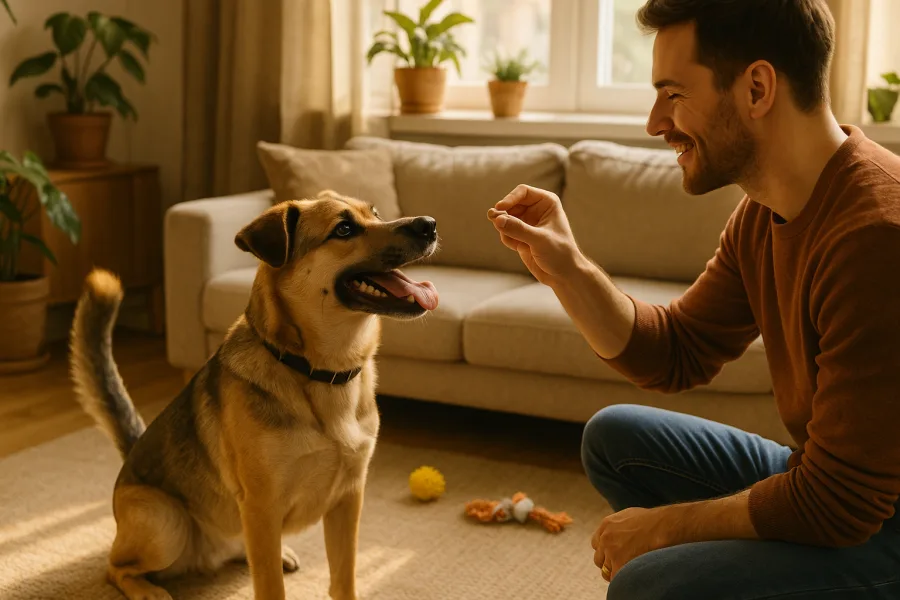
Dealing with a dog that jumps can be a common challenge for many pet owners. Not only can it be awkward when guests visit, but it can also raise safety concerns. Thankfully, positive reinforcement offers a gentle and effective method to tackle this issue. By focusing on rewarding good behavior, you can teach your dog to greet people more politely.
How Can Positive Reinforcement Stop Dog Jumping?
Positive reinforcement involves rewarding your dog for showing the behavior you want, rather than punishing unwanted actions. To stop your dog from jumping, decide on the behavior you'd like instead, like sitting calmly. Here's a step-by-step guide:
1. When your dog starts to jump, turn away or step back to remove attention. This shows that jumping won't achieve what they want. Consistency is crucial in making it clear that jumping isn't beneficial. Our in-depth guide to Does My Dog Jump on Guests? Understanding and Solutions covers all the related factors worth knowing.
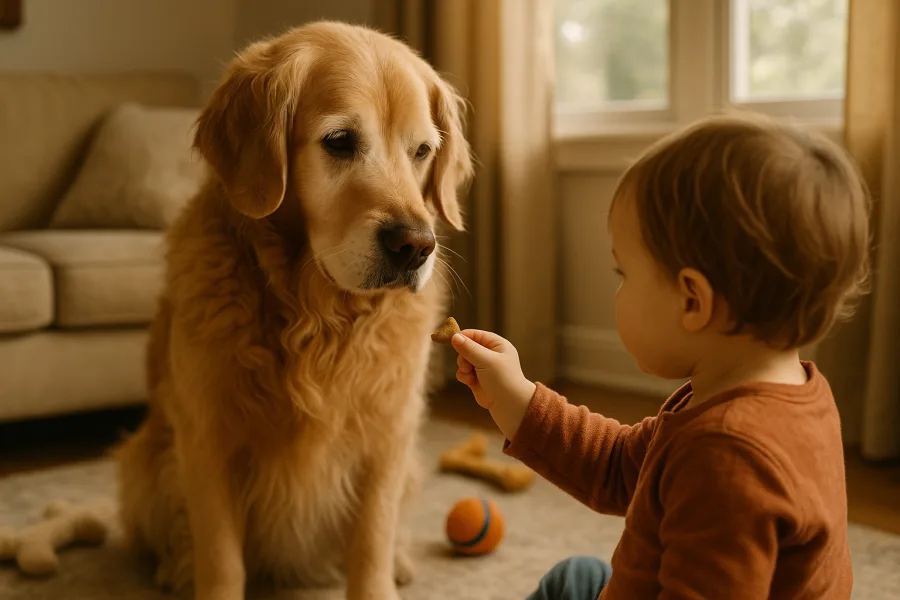
2. As soon as your dog has all four paws on the ground or sits, reward them immediately with a treat and verbal praise. Be consistent , do this every time to reinforce the desired behavior. Prompt rewards help your dog associate sitting with a positive outcome.
3. Practice this in various situations and with different people to generalize the behavior. Encourage friends and family to join in the training to help your dog learn that sitting calmly earns attention and rewards from everyone. This reinforces the behavior across different settings and people.
4. Be patient and persistent. While positive reinforcement is effective, it takes time and consistency to see lasting changes. Remember, each dog learns at their own pace, and setbacks can happen. Stay committed and celebrate small victories along the way.
Why Do Dogs Jump?
Natural Instincts
Jumping is a natural behavior for dogs. In the wild, young dogs jump up to lick the faces of adult dogs as a form of greeting. This instinct often carries over to their interactions with humans, especially when they're excited to see you. This behavior stems from their evolutionary history, where it helped with bonding and social interaction within the pack.
Seeking Attention
Many dogs jump to seek attention. If jumping has previously resulted in getting attention, even negative, they may continue doing it. It's important to redirect their behavior towards something positive that still satisfies their need for interaction. Understanding your dog's motivation can help tailor your training approach to be more effective.
What Makes Positive Reinforcement Effective?
Positive reinforcement focuses on encouraging good behavior with rewards, unlike punitive methods. This approach builds trust and strengthens the bond between you and your dog. It encourages dogs to repeat actions that earn them treats or praise, leading to more reliable behavioral changes.
Other methods, such as scolding or physical correction, can cause fear or anxiety, potentially worsening behavioral issues or creating new ones. Positive reinforcement, on the other hand, provides a stress-free learning environment that promotes cooperation and learning. By fostering a positive association with the desired behavior, your dog is more likely to repeat it willingly and happily.
How to Choose the Right Rewards?
Types of Rewards
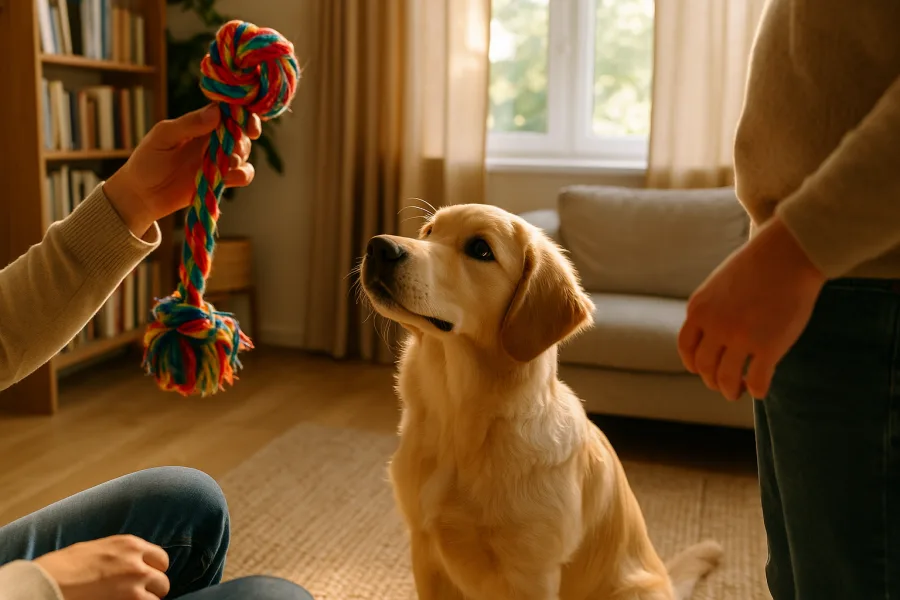
The type of reward you choose can greatly influence your training's effectiveness. Small, soft treats are ideal because they're quick to eat, allowing you to maintain a steady training rhythm. For dogs that aren't food-motivated, favorite toys or even enthusiastic verbal praise can work wonders. Understanding what motivates your dog is key to selecting the most effective rewards. For a broader look at this subject, see our guide to Avoid These Common Mistakes When Training Your Dog Not to.
Timing and Delivery
Timing is crucial in dog training. Deliver rewards immediately after the desired behavior to ensure your dog connects the action with the reward. This helps solidify the behavior more quickly and effectively. Delays in reward delivery can confuse your dog and weaken the association between the behavior and the positive outcome.
What Are Common Triggers for Jumping and How to Handle Them?
Dogs often jump when they're excited, such as when you return home or when guests arrive. To manage these situations, anticipate the trigger and prepare to redirect your dog's energy. Before they get a chance to jump, ask them to sit and reward them for doing so. Consistency across different scenarios will help reinforce this behavior.
For further insights on managing dog jumping in specific scenarios, you may find useful information in our comprehensive guide on causes and training solutions for dog jumping. Understanding the triggers can assist in preemptively managing your dog's excitement levels.
Summary and Key Takeaways
- Use positive reinforcement to reward desired behaviors, like sitting calmly instead of jumping. This technique encourages repetition of the behavior you want to see.
- Understand that jumping is a natural behavior often driven by excitement or the desire for attention. Recognizing the root cause can help in effectively addressing it.
- Choose appropriate rewards and deliver them immediately to reinforce desired behaviors effectively. The right reward can greatly impact training success.
- Identify and manage common jumping triggers by redirecting your dog's actions before they jump. Being proactive can prevent undesirable behaviors before they occur.
- Involve family and friends in training to ensure consistency and success. A unified approach from everyone who interacts with your dog will reinforce the correct behavior.
Training your dog not to jump is a process that requires patience and dedication. By using positive reinforcement and understanding your dog's motivations, you can create a more peaceful and enjoyable environment for both your dog and your guests. Remember, the effort you invest in training will be rewarded with a well-behaved and happy pet.

I've shared my home with pets for over 40 years. No letters after my name, just four decades of paying close attention. I've read widely, watched everything I could find, and learned most of what I know from living alongside animals every day. This site is where I share what I've picked up along the way.
More by Nicole Dance →