Train Your Dog Not to Jump on People: Effective Strategies
Learn practical strategies to stop your dog from jumping on people, understand why they jump, and how to train them for calm greetings.
If you're dealing with a dog that loves to jump on people, rest assured you're not alone. This common behavior can be both frustrating and embarrassing, especially when guests are involved. Thankfully, with the right techniques, you can teach your dog to greet others calmly and politely. This article offers practical strategies to help you curb your dog's jumping, backed by an understanding of why dogs exhibit this behavior and how to encourage more appropriate actions.
How Can I Quickly Stop My Dog from Jumping?
It's important to act promptly when your dog starts to jump. One effective technique is to turn away from your dog, avoiding eye contact and ignoring them until all four paws are on the ground. Once they're calm, acknowledge them with a gentle voice and soft petting. This approach teaches your dog that jumping doesn't bring the attention they desire, but staying grounded does.
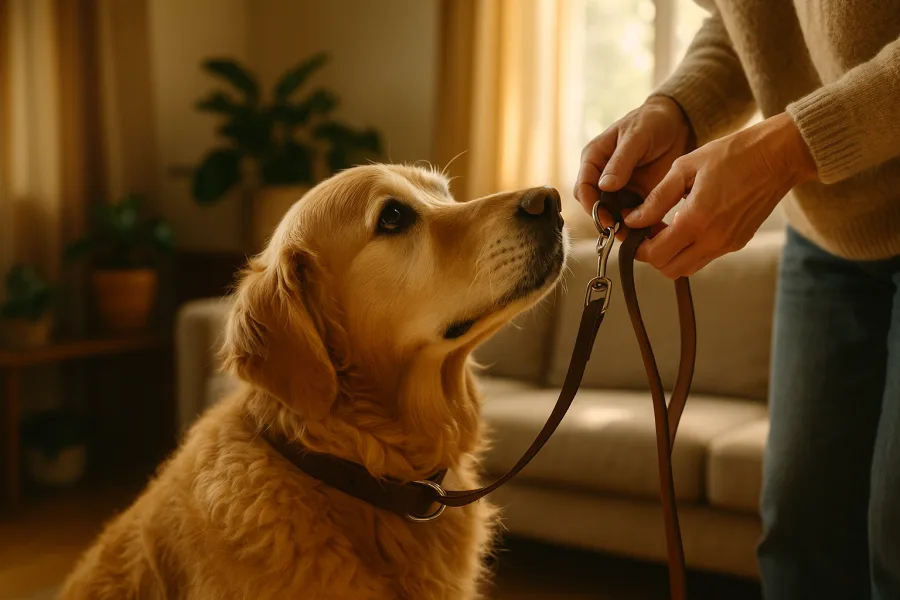
Another quick method is to use a leash when guests arrive. Keeping your dog on a short leash helps you control their movements and prevent jumping. Once they settle, reward them with treats or attention. It's also beneficial to ask guests not to engage with your dog until they're calm. Consistent reinforcement from everyone will help your dog learn faster.
Why Do Dogs Jump on People?
Understanding why your dog jumps is crucial to addressing the behavior. Often, dogs jump to seek attention or express their excitement. After being alone, jumping is their enthusiastic way of greeting you or your guests. Sometimes it's a learned behavior, reinforced by receiving attention, even if it was negative.
Dogs are naturally social animals, and jumping can be their way of showing affection or asserting dominance. Puppies often use jumping to interact with their littermates, which can continue in their interactions with humans. Recognizing these motivations can help you tailor your training approach effectively. For more insight into this behavior, consider reading our article on why dogs jump on guests.
What Training Techniques Can Help?
Positive reinforcement is a powerful tool in teaching your dog not to jump. Reward your dog when they stay calm and keep all paws on the ground using treats, praise, or playtime. Consistency is key: make sure everyone in the household responds the same way to jumping to avoid confusing your dog.
Keep training sessions short but frequent. Practice commands like "sit" or "stay" and reward compliance. Over time, your dog will associate calmness with positive outcomes. Introducing additional commands like "off" or "down" can reinforce the idea that staying grounded is the desired behavior. Gradually increase the duration your dog must remain calm before receiving a reward to help improve their impulse control.
What Should I Teach My Dog to Do Instead?
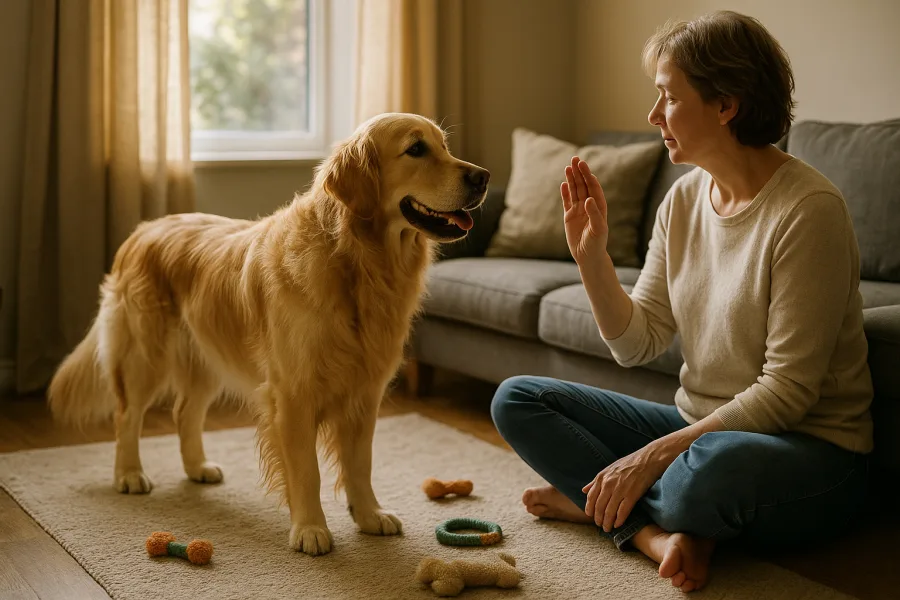
It's important to replace jumping with more acceptable behaviors. Teach your dog to sit or offer a paw when greeting people. Begin by asking your dog to sit before they receive attention. Consistently rewarding this behavior will help them understand that sitting earns them the interaction they seek.
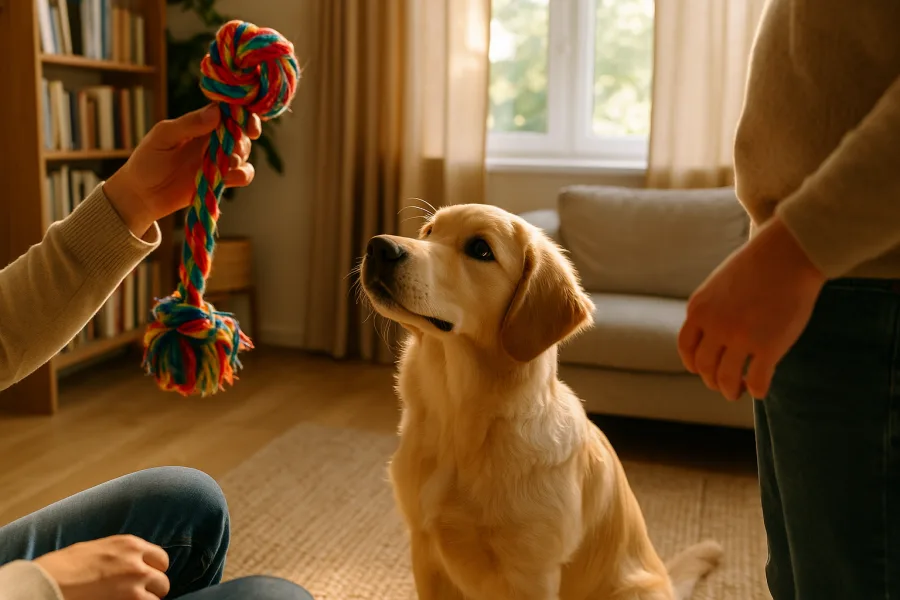
If your dog is particularly excitable, teach them to fetch a toy when they encounter someone new. This redirects their energy into a more appropriate form of greeting. You can also use commands like "greet" to signal when it's time to approach someone calmly. This structured approach helps your dog clearly understand expectations and reduces the chances of jumping out of excitement.
How Can I Manage My Dog’s Environment?
Managing your dog's environment can help minimize opportunities for jumping. Use baby gates or pet barriers to control where your dog can be when guests arrive, preventing them from rushing to the door and jumping on new arrivals.
Create a welcoming space where your dog can feel calm and relaxed. A comfortable bed or crate can serve as a safe spot where your dog can unwind away from the excitement of visitors. Encourage your dog to use this space by offering toys or treats, making it a positive and inviting area. Establishing a routine around guest arrivals, such as having your dog wait in their safe space until everyone is settled, can further reduce jumping incidents.
What Mistakes Should I Avoid?
Some common mistakes can inadvertently reinforce jumping. Avoid pushing your dog away, as they might see it as playtime. Refrain from shouting or becoming agitated, as this might increase their excitement.
Inconsistency in training is another mistake to avoid. Everyone interacting with your dog should be on the same page about how to respond to jumping. Make sure all family members and regular visitors understand the training plan and adhere to it. For more on avoiding training pitfalls, check out our piece on common mistakes when training dogs not to jump.
Summary: Key Takeaways
- Ignore your dog when they jump and reward them when they stay grounded.
- Understand your dog's reasons for jumping to address the root cause.
- Use positive reinforcement consistently to encourage calm behavior.
- Teach alternative behaviors like sitting or fetching a toy.
- Manage your environment to minimize jumping opportunities.
- Avoid reinforcing the behavior with attention, even negative.
In conclusion, training your dog not to jump requires time and patience, but it's certainly achievable. By understanding the reasons behind the behavior and applying consistent training techniques, you can help your dog learn to greet people in a calm and friendly manner. For a more comprehensive guide on this topic, consider checking out our main guide on training your dog not to jump on guests.

I've shared my home with pets for over 40 years. No letters after my name, just four decades of paying close attention. I've read widely, watched everything I could find, and learned most of what I know from living alongside animals every day. This site is where I share what I've picked up along the way.
More by Nicole Dance →